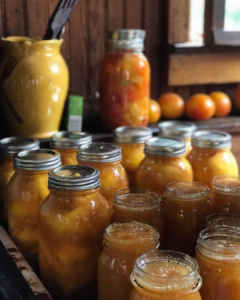
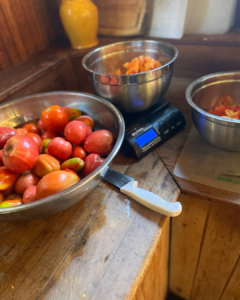
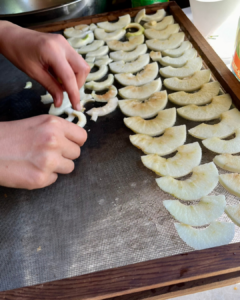
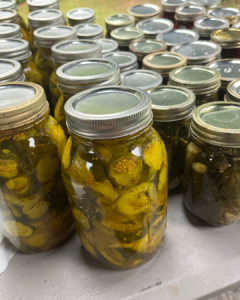
Washington State University’s Food Systems Consumer Education programming plays a critical role in strengthening regional food systems by equipping individuals and communities with the knowledge and skills needed to grow, source, prepare, and preserve food. Through initiatives such as Grow Your Groceries, food preservation workshops, educational materials, and community-based partnerships, this programming supports increased access to local food. Consumer education empowers participants to make informed decisions about food, reduce household food waste, and extend the availability of seasonal, locally produced foods. By integrating practical, hands-on learning with culturally relevant approaches, these programs meet people where they are—supporting beginning gardeners, experienced growers, and communities with diverse food traditions.
Consumer education is a foundational, yet often under-recognized, component of a resilient food system. While much attention is placed on production and distribution, the ability of individuals to effectively utilize food resources at the household level has significant implications for food access, environmental sustainability, and economic stability. When consumers have the tools and knowledge to preserve surplus, store food safely, and prepare nutritious meals, they are better able to maximize available resources and reduce waste. WSU’s approach recognizes that building food system resilience requires not only supporting farmers and supply chains, but also investing in the capacity of households and communities to participate fully in the food system—transforming education into a powerful strategy for advancing food security, sovereignty, and long-term sustainability.
WSU Food Systems Consumer Education offers several core programs designed to build practical skills and support long-term engagement in local food systems:
Grow Your Groceries is an annual 12-week online cohort program beginning in late winter that prepares participants for the growing season through a comprehensive curriculum on gardening, seed starting, soil health, and integrated food preservation strategies. The program emphasizes a full-cycle approach—helping participants not only grow food, but also store, preserve, and utilize it effectively throughout the year.
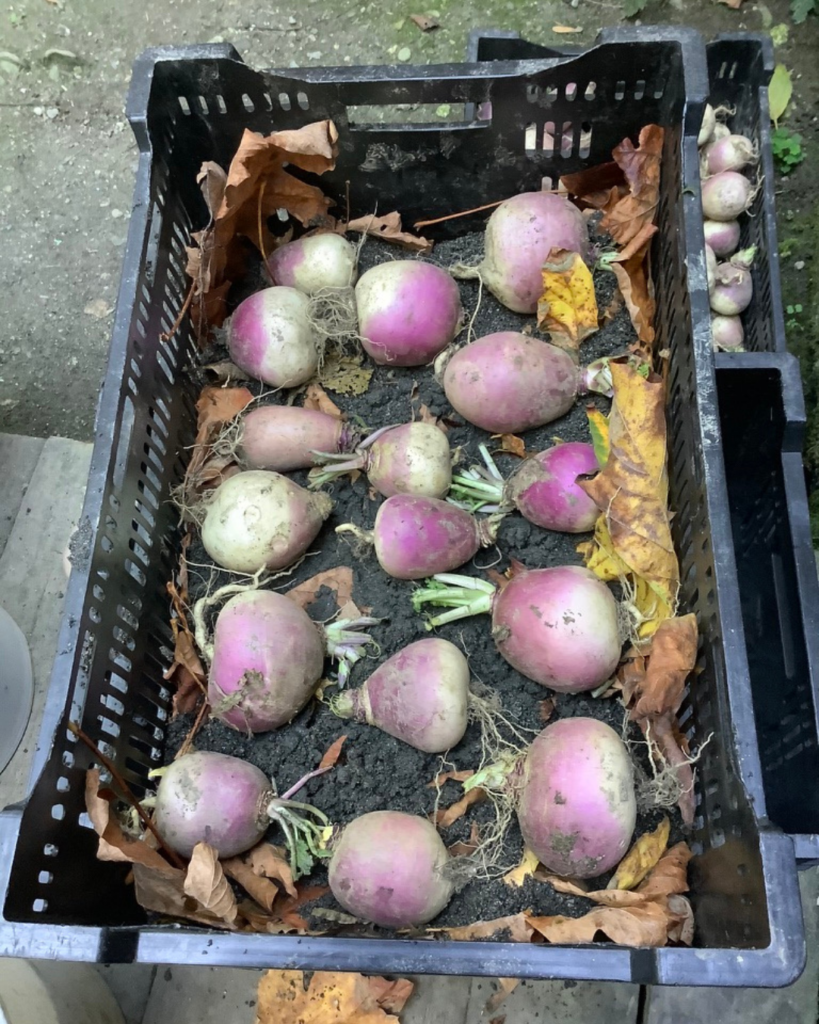
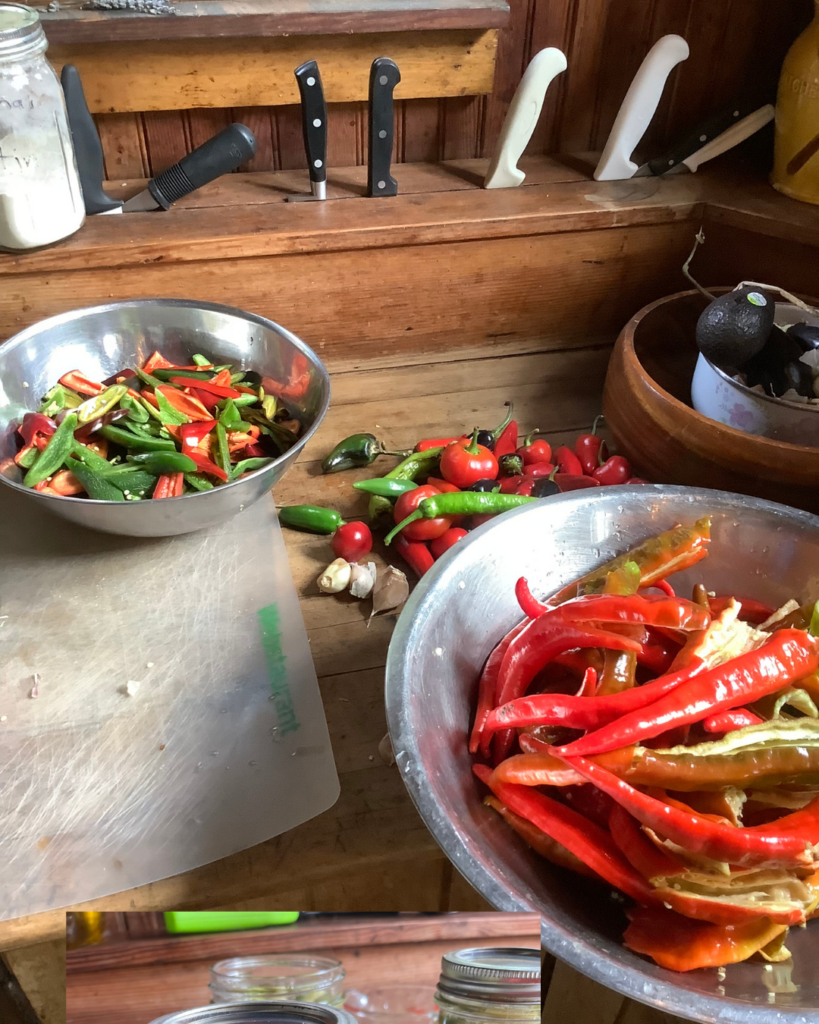
Food preservation education is delivered through a core four-part workshop series offered several times per year, along with additional topic-specific classes on methods such as canning, fermentation, dehydration, freezing, and root cellaring. Most workshops are available online and recorded, increasing accessibility and allowing participants to engage with the material on their own schedule.
These programs are supported by a suite of educational materials—currently being updated—that provide research-based, easy-to-use guidance for consumers. Resources include publications, crop-specific guides, and step-by-step instructions, available through WSU Extension Publications.
Additional classes, technical assistance, and tailored resources are also available upon request. This includes consultation and program development support for preservation tool lending libraries, as well as community-based food access initiatives such as gardens, food recovery efforts, and preservation projects. These customized offerings allow WSU to partner with organizations and communities to design solutions that meet local needs and expand equitable access to food system resources. Please contact j.bryan-goforth@wsu.edu for more information.
2026 Programming: A current list offered in 2026; additional classes and resources will be added as new programming is developed throughout the year.
- Feb-May Grow Your Groceries
- June Food Preservation Series
- June Demonstration workshops in Bellingham, WA. June 9 and June 17